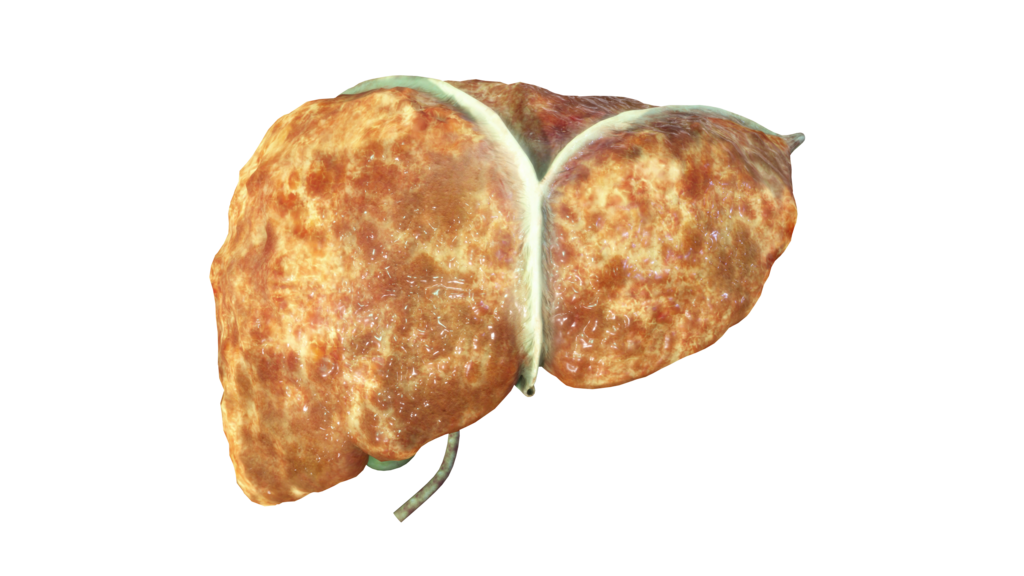
What is MASH?

METABOLIC DYSFUNCTION-ASSOCIATED STEATOHEPATITIS (MASH) IS A LIVER DISEASE

Formerly known as NAFLD/NASH, metabolic dysfunction-associated steatotic liver disease (MASLD) involves fat buildup in the liver. When inflammation and damage occur, it progresses to MASH, raising the risk of fibrosis and complications.

Anatomy of MASH

MASH occurs when excess liver fat triggers inflammation, leading to injury of liver cells, fibrosis, and potential cirrhosis, disrupting normal liver function and increasing the risk of liver cancer.

Neuron
ADVERTISEMENT

Managing MASH

MASH is a progressive disease that can lead to irreversible cirrhosis if untreated, but early intervention including diet, exercise, and medication can help slow or even reverse fibrosis. Don’t wait—ask your specialist about treatment options to protect your liver health.

MASH Statistics Across the Globe

MASH affects an estimated 5.27% of the global population.

People with obesity or type 2 diabetes face a higher risk of metabolic dysfunction-associated steatotic liver disease (MASLD), which affects an over 30% of people worldwide. Approximately 20% of MASLD cases advance to MASH.

Patient Insight

“Once I learned that MASH can worsen over time, I changed my diet, stayed active, and started treatment. Now, I’m doing everything I can to protect my liver.”

Patient Experience

“I had no symptoms, but my specialist told me MASH can be silent until serious damage occurs. I’m glad I got tested before it was too late because learning I had MASH early gave me a chance to slow its progression.”

Patient Support

“Support from family made lifestyle changes easier. Instead of going at it alone, I got my family involved in meal planning and exercise, making it a shared goal rather than a burden.”

Self-Care Tips

Taking a proactive approach to managing MASH is essential to slowing disease progression and protecting liver health.

Stay Active

Moderate exercise such as brisk walking, cycling, or swimming, can help reduce liver fat and improve overall metabolic health.

Healthy Diet

Focus on lean protein, whole grains, healthy fats, and fiber-rich foods, while limiting sugar, refined carbs, and processed fats to reduce liver stress.

Healthy Weight

Losing just 5-10% of body weight can significantly reduce fat and inflammation in the liver, slowing disease progression.

Social Support

Connect with family, friends, or support groups to stay motivated, manage stress, and maintain healthy lifestyle changes for better long-term MASH management.

Regular Monitoring

MASH can progress without symptoms, so routine liver function tests, imaging, and specialist visits are critical.